Asphalt Resurfacing & Overlay in Shreveport, LA
A fresh wearing course over a sound base — 12 to 18 more years of pavement life for a fraction of the cost of a tear-out.
Get My Free Resurfacing Estimate (318) 610-7967Asphalt Resurfacing & Overlay in Shreveport, LA
A1 Asphalt Shreveport resurfaces driveways and parking lots across Shreveport and the Ark-La-Tex when the surface is worn but the foundation underneath is still working. A 2-inch overlay or a mill-and-overlay can restore a tired surface to like-new condition for 40 to 60 percent of the cost of full replacement — and the work happens in days, not weeks. The key is knowing when overlay is the right call and when the base has failed badly enough that it's just deferring a rebuild. Call (318) 610-7967 for an honest assessment.
Overlay vs. Mill-and-Overlay vs. Full Replacement
A direct overlay lays new hot mix over the existing surface, tied in with a tack coat. It's the fastest, lowest-cost option, but it raises the surface elevation by 1.5 to 2 inches — which matters at garages, doorways, drainage inlets, and curb heights. A mill-and-overlay grinds off the top 1.5 to 2 inches of the existing surface and lays a new wearing course in its place, preserving the elevation and giving a tighter mechanical bond between old and new. Full replacement removes asphalt and base both, regrades, and rebuilds from the subgrade up — the only correct choice when the base has lost compaction or is moving with the red clay underneath. We walk every prospective resurfacing job and tell the property owner which of the three is honest. Selling an overlay over a failing base is the fastest way to lose a customer.

Request a Resurfacing Estimate
Limited Slots Available This Month!
What Makes a Base Sound Enough to Resurface in Shreveport
A sound base shows isolated surface cracking, oxidation, and edge raveling — but no alligator-cracking across drive lanes, no sinking, no birdbaths, and no widespread base movement. We core-test on commercial jobs to verify base thickness and density, and on residential driveways we read the cracking patterns and check for sub-grade movement. Shreveport's red-clay subgrade can deceive you: a lot that looks fine in dry summer weather can be moving an inch or more between wet and dry seasons. If we see surface cracks tracking the same direction as the base movement, overlay is the wrong call. If the base is stable and the only problem is sun damage and surface fatigue, overlay buys 12 to 18 years of additional life for a fraction of what a rebuild costs.
Tack Coats, Mill Profiles, and What Makes Overlay Bond
The single biggest failure mode for overlay work is the new surface delaminating from the old — a problem that shows up as a 1-inch skin lifting from the layer underneath, usually within the first year. The fix is technique. We clean the existing surface thoroughly before tack coat, apply a fresh tack coat at the right application rate (typically 0.05 to 0.10 gallons per square yard), and let it break before laying mix. On mill-and-overlay work, the milled profile gives the new mat mechanical key in addition to chemical bond. We pave at temperature with sequenced roller passes — same standards as a new-build paving job — and edges are formed and rolled by hand at concrete transitions and parking-block locations. Done correctly, the overlay outlasts the original surface that was underneath it.
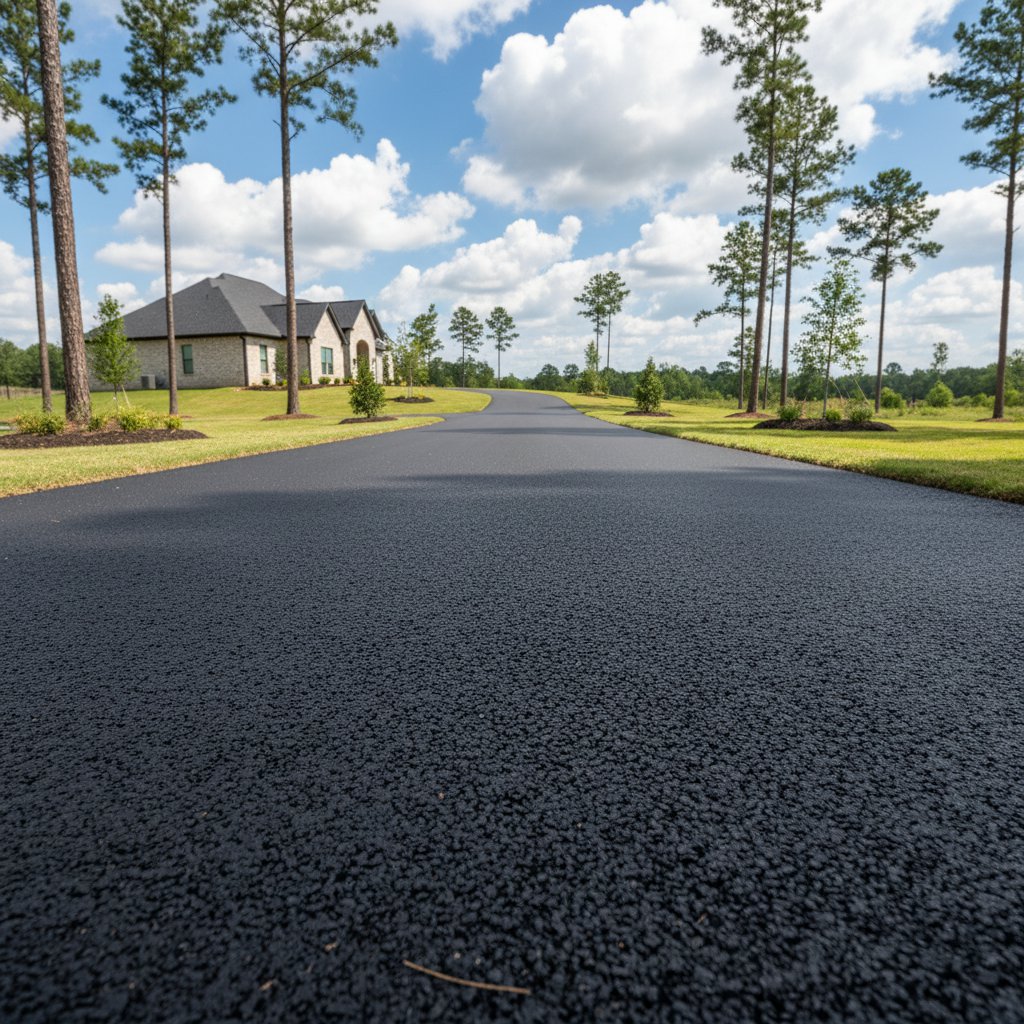
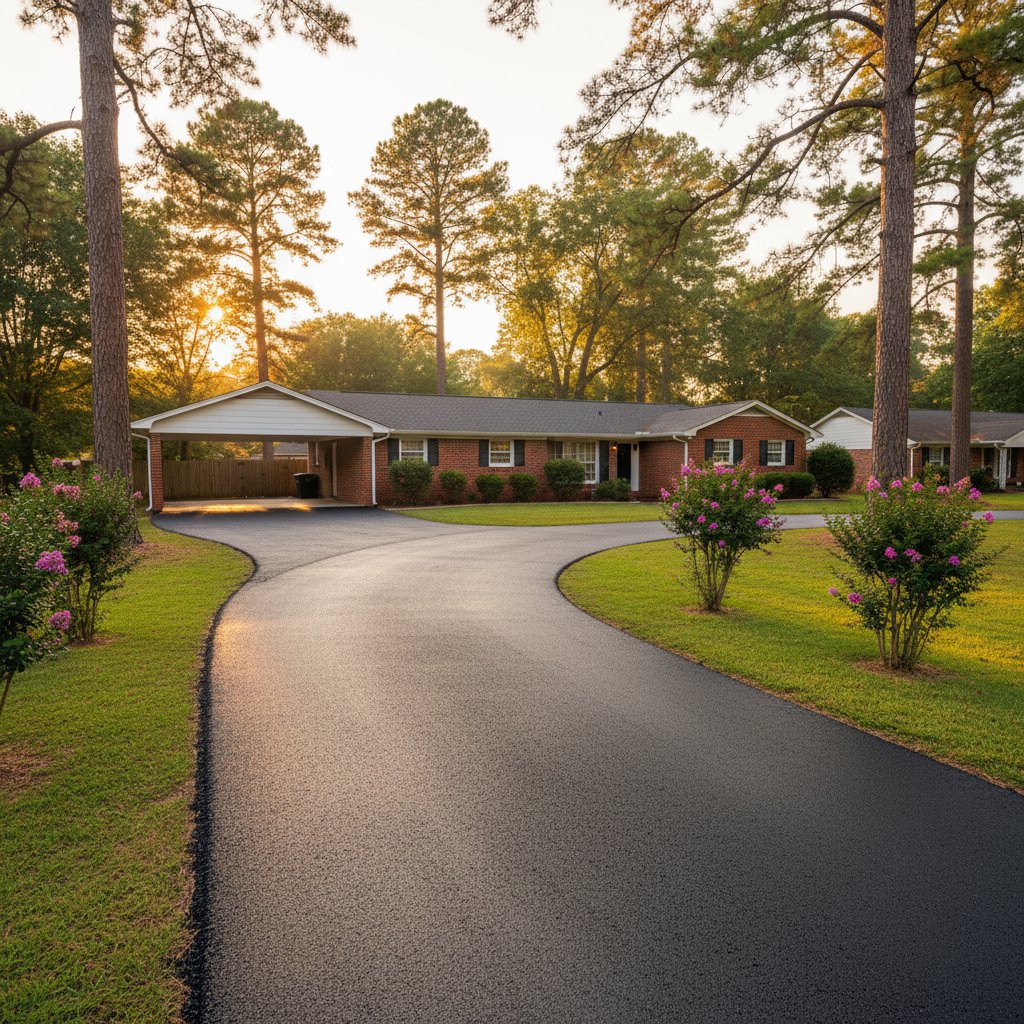
Recent Resurfacing Projects in Shreveport
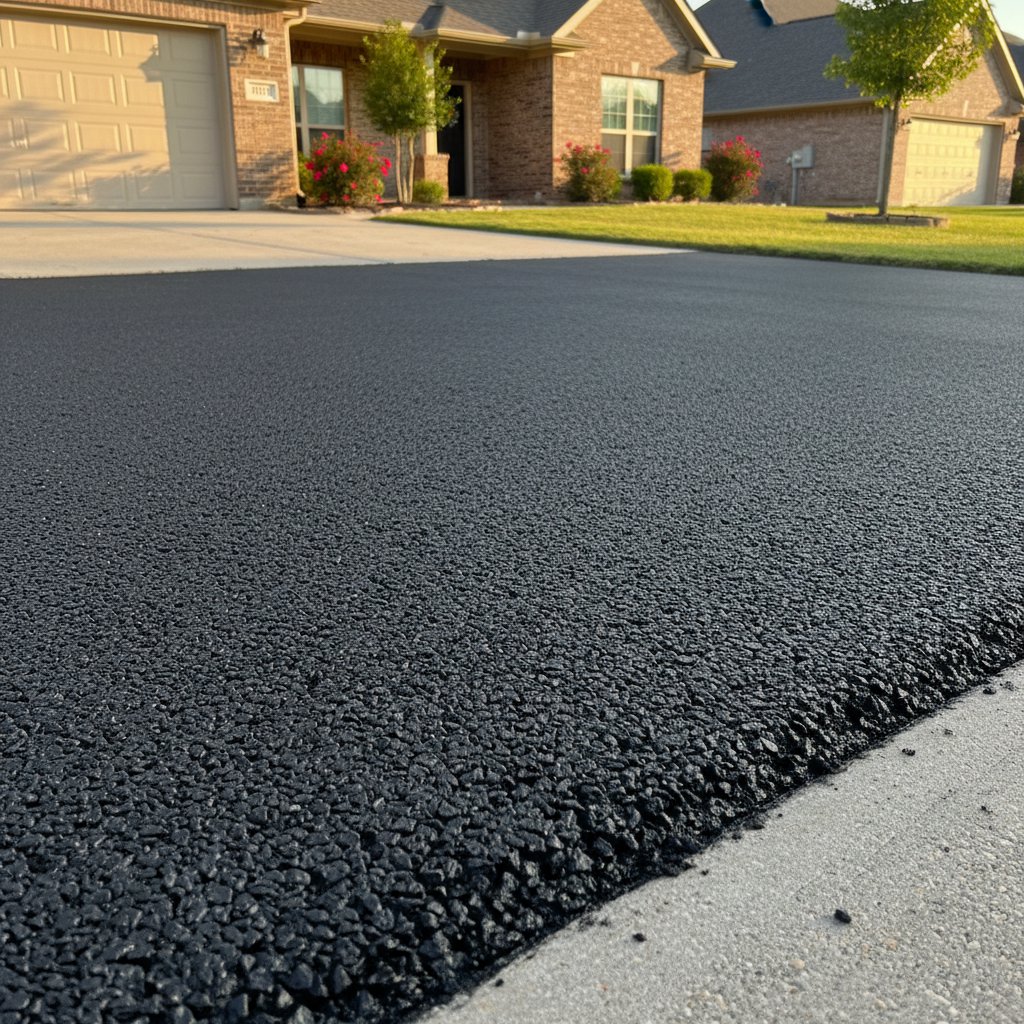
Signs Resurfacing Is the Right Move
When the surface is tired but the foundation is sound, overlay is the high-value call. These conditions point to a good candidate.
Surface Is Gray and Brittle
When UV oxidation has dulled the color and stiffened the surface but the structure is still intact, a fresh overlay restores both look and weather resistance.
Isolated Cracks, No Alligatoring
Cracks that are scattered rather than interlocked mean the base is holding. Overlay can cover them after crack fill prep.
No Sinking or Standing Water
A surface that still sheds water and shows no soft spots is a candidate. Overlay over a depressed lot just creates a new birdbath.
Drainage Path Is Still Correct
If water already moves in the right direction, an overlay preserves that. If not, the project needs more than resurfacing.
How We Resurface
A four-step process built around verifying the base before adding a new surface.
Surface and Base Assessment
We walk the surface, measure cracking patterns, check for movement and standing water, and decide between overlay, mill-and-overlay, or replace.
Crack Filling and Prep
All cracks over a quarter-inch get routed and hot-filled. Surface is cleaned, oil spots are primed, and the substrate is ready to take tack coat.
Tack Coat and Hot-Mix Overlay
Tack coat is applied at the correct rate and allowed to break. Hot mix is laid at temperature and compacted with sequenced roller passes.
Edge Work, Striping, and Walk-Through
Edges are formed, transitions are sealed, lots are striped, and we walk the finished surface with you before we leave.
What Our Clients Say
"Our driveway off Line Avenue had been graying and raveling for years — sun had cooked the binder out of it. They patched the base where water was pooling near the garage, laid a fresh surface, and sealcoated it the right way. Two summers in and it still looks new."

Ready to Resurface?
Get an honest assessment from a paving contractor that will tell you whether overlay is the right call — or whether your money is better spent on a tear-out. We do the math both ways before recommending a scope.