Asphalt Repair in Shreveport, LA
Real hot-mix repairs that bond to the surrounding pavement and don't lift after the next thunderstorm — saw-cut patches, full-depth replacement, and infrared.
Get My Free Repair Estimate (318) 610-7967Asphalt Repair in Shreveport, LA
A1 Asphalt Shreveport repairs damaged asphalt across Shreveport and the Ark-La-Tex — driveways, parking lots, private roads, and access lanes. Most asphalt failures we see are repairable, and most failed repairs were done with cold patch dropped into a hole that wasn't prepped. We use hot-mix asphalt, saw-cut clean edges, proper tack coat, and full compaction so the patch actually bonds and the surface holds. Call (318) 610-7967 for a free assessment.
Why Most Asphalt Repairs in Shreveport Fail
Drive any commercial lot in Shreveport and you'll see patches that lifted, sank, or cracked at the perimeter within a year of being installed. The problem usually isn't the asphalt — it's the prep. Cold patch shoveled into a pothole without saw-cutting the edges, cleaning the base, or applying tack coat will never bond to the surrounding pavement; it's just gravel-in-a-hole and the first heavy rain or hot summer week will float it loose. A properly done repair has clean vertical saw-cut edges that give the patch something to lock against, an inspected base (with replacement aggregate if the base failed underneath the hole), tack coat on the cut edges so the new mix actually bonds chemically, and hot-mix asphalt compacted with a plate or roller. Done that way, the patch should outlast the surrounding pavement, not fall out before it.


Request a Repair Estimate
Limited Slots Available This Month!
Saw-Cut Patches, Full-Depth Replacement, and Skin Patching
Different damage calls for different repair methods. Saw-cut surface patches handle surface-layer failures where the base is still sound — most pothole repairs, surface fatigue, and isolated cracked areas under two inches deep. We saw-cut a clean rectangle around the damaged area, remove the failed surface, apply tack coat, and fill with hot mix compacted to the surrounding elevation. Full-depth replacement is for damage that goes through the base — typically where water has been undermining the sub-grade for years and the asphalt is just the visible symptom. We excavate to firm sub-grade, rebuild aggregate base, then pave back up to surface. Skin patching is the lightest repair, used for shallow surface-layer issues like raveling sections that haven't yet broken through. We choose the method based on what's actually failing, not what's fastest to bill.
Infrared Patching for Seamless Repairs
Infrared patching is a specialized technique that heats the existing asphalt around a repair area to roughly 300°F, allowing the new mix to be integrated into the existing pavement rather than just laid alongside it. The result is a seamless repair with no joint line — which means no perimeter crack to let water in down the road. We use infrared for spot repairs in high-visibility areas like storefront entries, retail aprons, and HOA driveways where the perimeter joint of a saw-cut patch would be aesthetically distracting. It's also the right call for repairs at concrete transitions, where saw-cut patches tend to fail at the edge first. Infrared takes longer per square foot than a conventional patch but delivers a repair that's both better-looking and longer-lasting in the right applications.
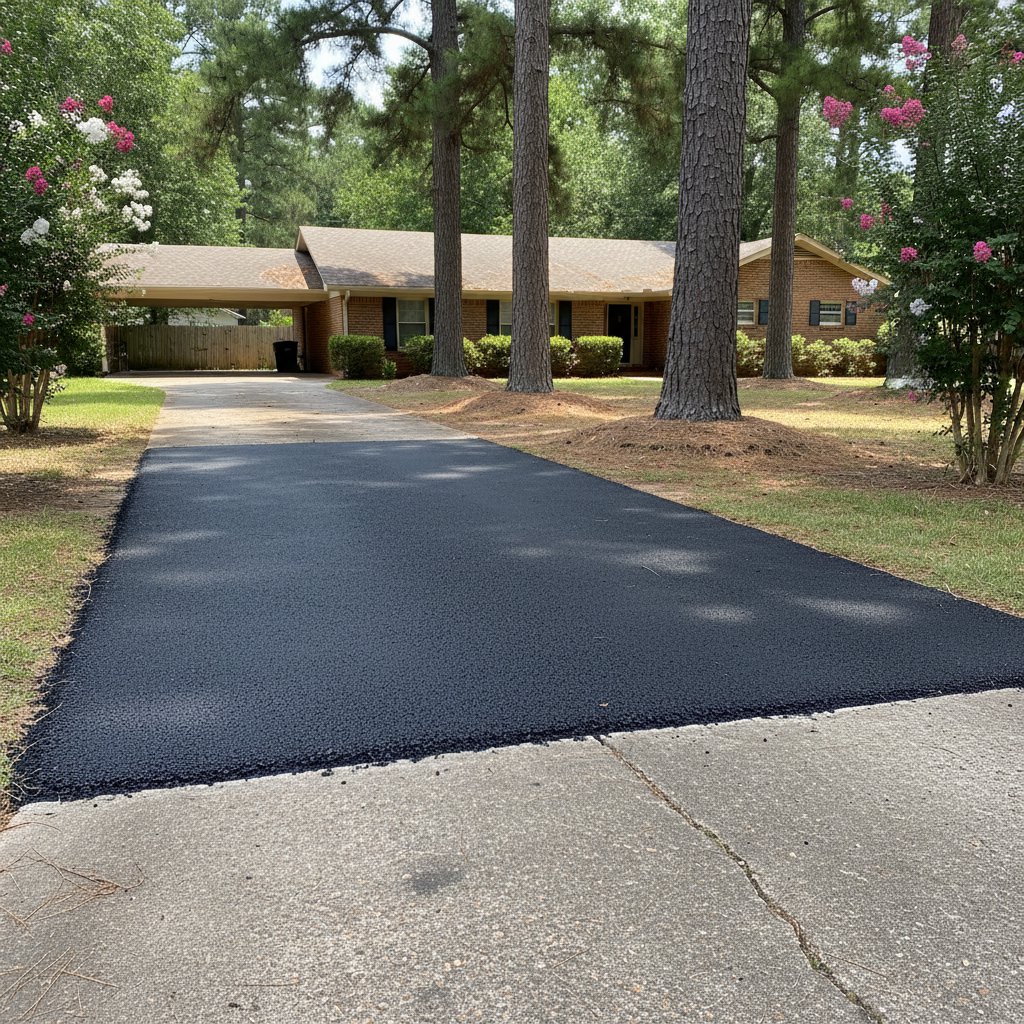
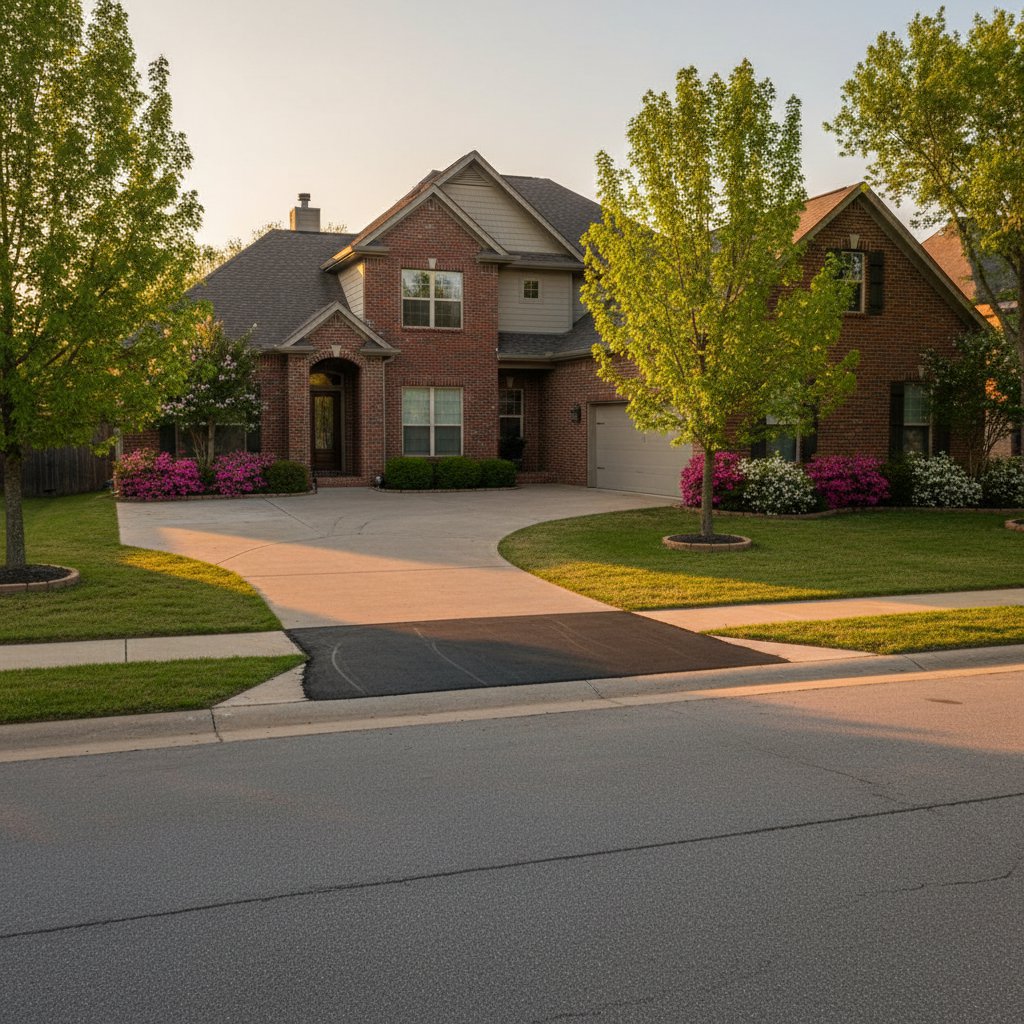
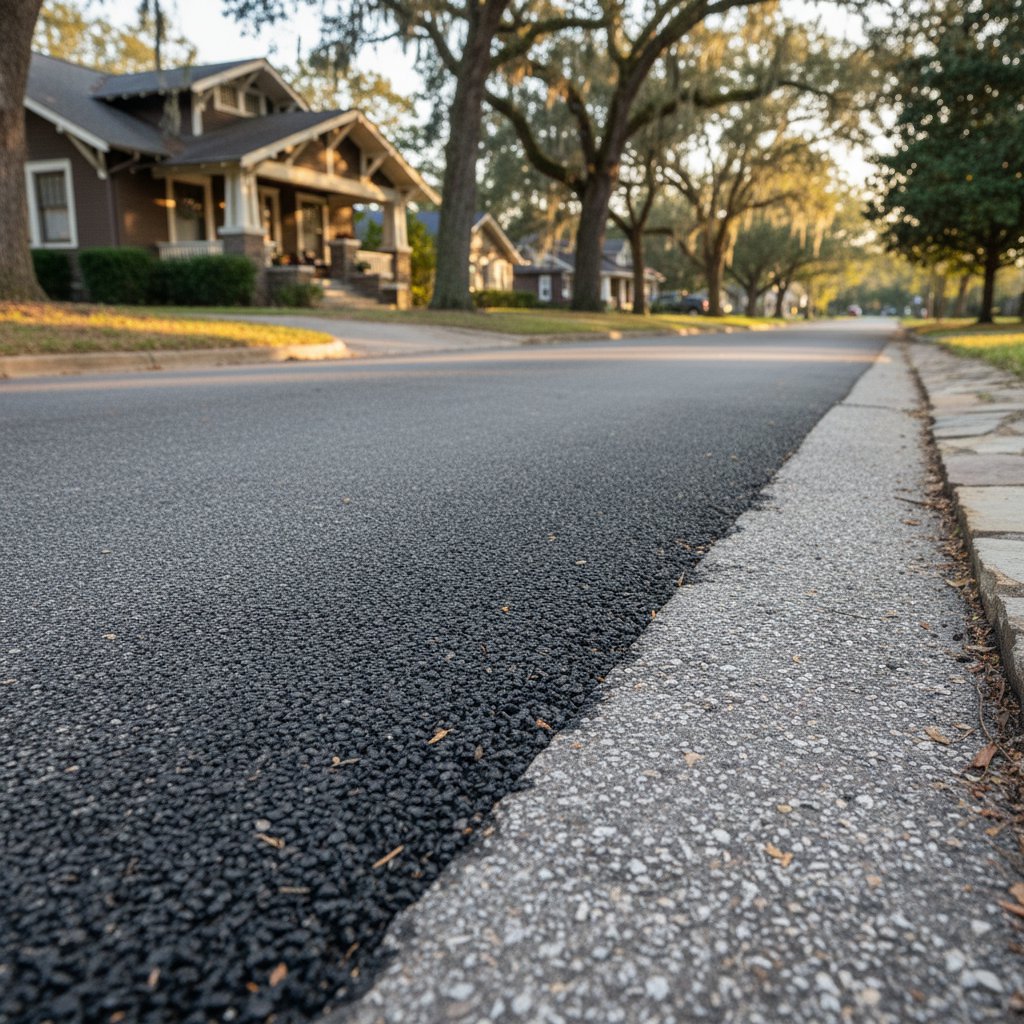
Recent Asphalt Repairs in Shreveport
Signs Your Pavement Needs Repair
Catch these conditions early and a few hundred dollars in repair beats a few thousand in resurfacing.
Cracks Wider Than a Quarter-Inch
Cracks past 1/4 inch are letting water reach the base. Crack fill works on smaller cracks; wider cracks need saw-cut patching first.
Soft Spots or Sinking Sections
Pavement that gives underfoot or has settled below the surrounding grade means base failure. Full-depth repair fixes it; surface patch doesn't.
Edge Crumbling at Concrete Joints
Asphalt breaking down where it meets concrete is a tack-coat failure or edge undermining. Saw-cut and re-bond before water gets deeper.
Recurring Potholes in the Same Spot
When a pothole keeps coming back, the base is moving or holding water. Real fix is full-depth replacement and base repair, not another patch.
How We Repair
Four steps that turn a hole into a permanent fix.
Assess and Diagnose
We probe the damage, identify whether the base has failed, and choose the repair method that matches the actual problem.
Saw-Cut and Prep
Damaged area is saw-cut to clean vertical edges, failed material is removed, base is inspected and rebuilt if needed.
Tack Coat and Hot Mix
Tack coat is applied to the cut edges, hot mix is placed at temperature, and the patch is compacted to surrounding elevation.
Edge Seal and Walk-Through
Perimeter joint is sealed, repair is inspected, and we walk the finished work with the property owner before leaving.
What Our Clients Say
"Our driveway off Line Avenue had been graying and raveling for years — sun had cooked the binder out of it. They patched the base where water was pooling near the garage, laid a fresh surface, and sealcoated it the right way. Two summers in and it still looks new."

Ready to Repair Your Pavement?
Get a free assessment from a paving contractor that does repairs the way they're supposed to be done — saw-cut, tack-coated, hot-mix, and compacted. No cold-patch shortcuts.